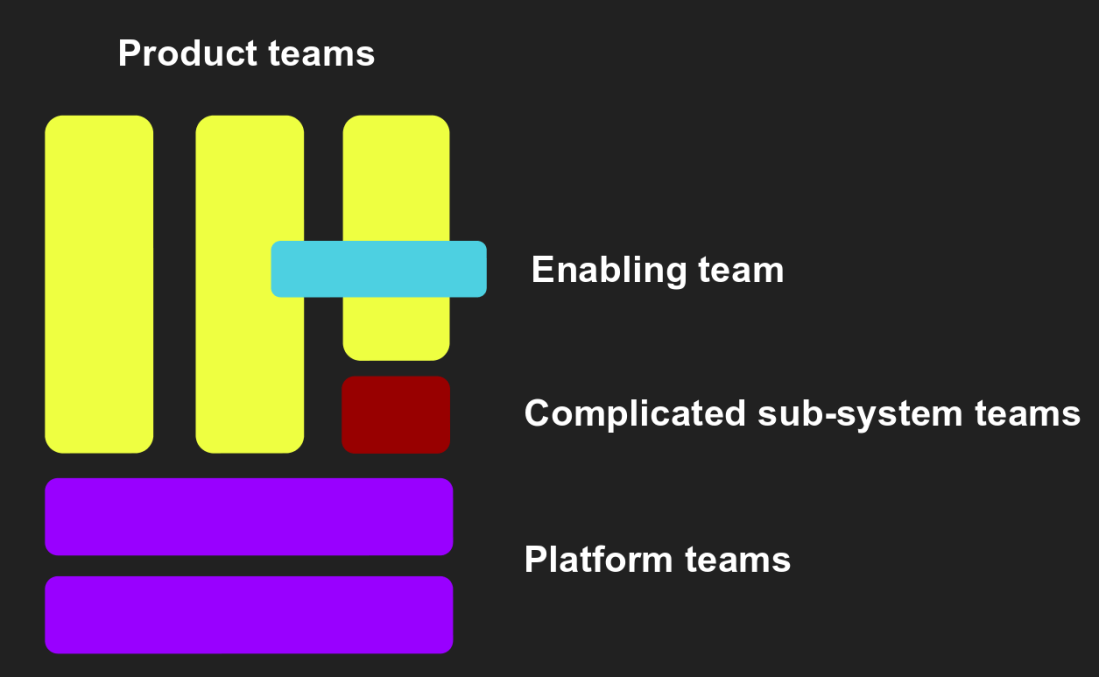
The Spotify model The Spotify model [SPOM] describes an organisational structure which aims at maximising agility through removing friction. The building block of the Spotify model is the squad, a team which is responsible for the entire lifecycle of a product from inception to implementation, operation and retirement. Friction is removed by maximising squad autonomy: … Continue reading Team topologies fix the Spotify model

Author: George Georgovassilis
3M Happy Text
My first computer was a low-end PC which came with a 3M "Happy" office suite (my term, I have no documentation of the thing). It consisted of two 5,14 inch diskettes, one with "3M Happy Text" and one with "3M Happy Fakt" (German version). I don't remember anything about Happy Fakt, but I recall 3M … Continue reading 3M Happy Text
RAID + dm-integrity vs bit rot
In Building the perfect, cheap NAS I discuss bit rot which silently kills digital archives; my solution chosen back then builds on parchive which adds in a manual process redundancy to archives. This redundancy can be used to identify and correct bit rot to some extent. The issue with this approach is that it's manual … Continue reading RAID + dm-integrity vs bit rot
Slow rsync on ext4 filesystem
On a rather hefty rsync job between two local ext4 filesystems, writing on the target (a mechanical hard drive which should be able to sustain 100 mb/s) would fluctuate strongly (between 0 mb/s and 160 mb/s) and effectively slow down to a few mb/s on average after a few minutes. While I didn't find the … Continue reading Slow rsync on ext4 filesystem
Team organisation by capabilities
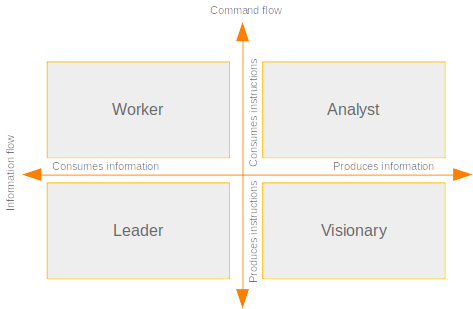
TL;DR: team must match information- and command flow. Team organisation is a conscious effort Early in my career at Accenture a management class discussed methods for building teams by aligning team capabilities with their mission statements. Which is a bloated way of saying "we made sure we had the right skills for the job". Back … Continue reading Team organisation by capabilities